How it works · a story
One company, one year.
A mid-size retailer discovers the law applies to it, rents a Data Protection Officer rather than hiring one, and spends a year turning the duty into a routine. Told from the company’s side, start to finish.
About seven minutes to read. Every chapter links to the module that does the work.
Suvarna Retail is an illustrative composite — 41 stores across Karnataka and Telangana, a loyalty app on 900,000 phones, a two-person IT team and no lawyer on payroll — not a real company. The duties, deadlines and citations are real.Six chapters
I · The forward
It rarely starts with a lawyer. It starts with a forwarded email.
The morning privacy becomes somebody’s job.
On a Tuesday in July the managing director forwards a news item about a penalty order to Priya, who already handles audit and labour matters. His note is one line: are we covered? By lunchtime, privacy is her problem — with no legal team, no budget yet, and a law that has dates in it.
She does not start with a policy. She starts with thirty minutes of honest questions: what personal data does the company hold, whose is it, why is it kept, who else touches it. Twelve answers come back “not sure” — whether the courier gets full addresses or masked ones, whether the store CCTV footage is ever deleted, what the analytics vendor actually receives. She writes “not sure” instead of guessing, and every one of them becomes the first line of her work list.
At the end she has something she can take upstairs: a verdict in plain words. The Act applies, here is why, and here are the duties that come with it.
Had the check said the law does not reach this business, the whole story would be two paragraphs long: write down why, set a date to look again when the business changes, go back to work.
In the app: the free applicability check — 28 questions, about thirty minutes, no account needed.II · The mandate
A law is a budget question before it is a legal one.
The room where it becomes real.
Priya does not walk into the board meeting with fear. She walks in with a plan and a price, and she leaves with three things: a mandate, a sponsor who controls budget, and a decision. The company will not hire a Data Protection Officer. It will rent one — a practice that serves as DPO for several companies, one morning a week each.
Appointing him is one act with two halves, and both have to happen in the same week. His name and contact go on the public notices, because customers must be able to see who answers for their data. And he gets a seat inside the workspace, because a person who is accountable on paper but cannot open the registers is a fiction.
They also settle the ownership question on day one, before any document moves: the workspace belongs to the company. The DPO may hold the keys while he builds it out, but they change hands before go-live. The accountability was never his to keep.
Named but locked out, or inside but unnamed — either half on its own is a broken arrangement, and it is the kind of gap that only shows up when someone asks for proof.
In the app: the governance register shows whether each appointee can actually sign in, and fixes it in one click.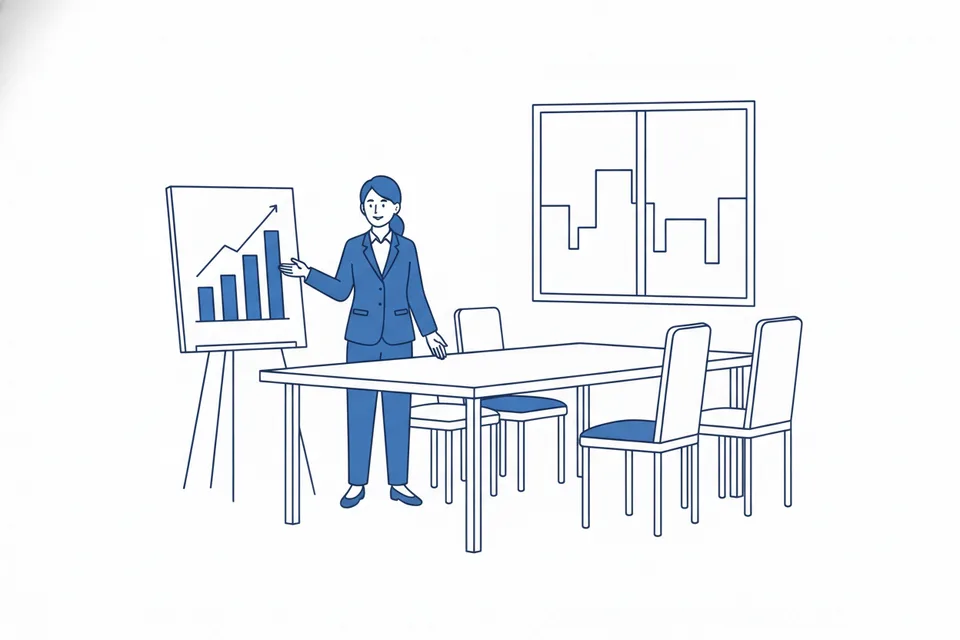
III · The engagement
Rented expertise works only when the division of labour is written down.
What the retainer buys, and what it cannot.
The split settles quickly, because each side can only do one half. The DPO brings judgment: the lawful basis calls, what a notice must actually say, how much retention is defensible, what an impact review should conclude. The company brings facts, because nobody outside the building can get them — which vendor holds the customer file, which store manager keeps a personal spreadsheet, which WhatsApp group nobody admits to.
He books a fixed Thursday morning. In that hour he works the gap board from the top; between sessions Priya chases the people who hold the answers. Progress has exactly one measure they both quote to the sponsor: fewer unowned gaps this week than last.
And from here on, every gap carries one name and one date. Not a department, a person; not “soon”, a date. A gap with no name is not an open item — it is a decision to keep the risk, taken quietly.
IV · The walk
Paper says what should be true. The ground says what is.
Eleven weeks of walking the ground.
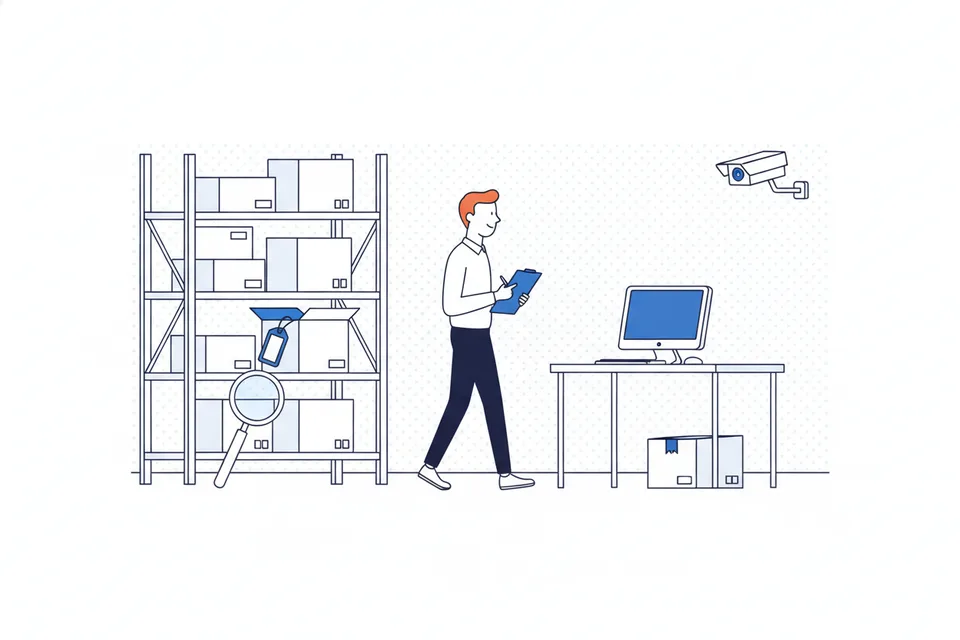
Mapping turns out not to be an IT exercise. It is a walk. The billing system, the CCTV folder, the courier’s export file, the loyalty app’s event stream, the spreadsheet a regional manager keeps because the report he needs does not exist — Priya writes down where personal data actually lives, not where the org chart says it should.
Then the duties, one at a time: notices and consent, security, retention, vendors, children’s data, cross-border transfers, grievances. Nothing heroic happens in any single sitting. One duty, honestly assessed, then the next — and each one ends the same way, in a short list of gaps with owners and dates on them.
Eleven weeks in, the picture is unglamorous and complete: what the company holds, why it is allowed to, who else touches it, and what still has to be fixed before anyone can call this compliant.
V · The clocks
At go-live the work changes shape. It stops being a project and becomes a rhythm.
Living with the clocks.
A customer in Hubli writes in asking what the company knows about her. It is logged the day it lands, Priya’s name goes on it, and a ninety-day clock starts running whether anyone looks at it or not. An erasure request a fortnight later travels further than expected — it has to reach the courier and the analytics vendor too, and the proof that it did is kept with it.
Retention dates fall due and data is erased on schedule, with the erasure logged rather than remembered. A grievance arrives and gets answered inside thirty days. Somebody withdraws consent and the processing stops within seven. None of this is dramatic, which is the entire point of building it before it was needed.
The Tuesday it goes wrong
A regional manager’s laptop is stolen from a car with an export of four thousand loyalty records on it. Nobody improvises, because this hour was rehearsed. Contain first. Establish what actually left. Notify the Data Protection Board inside seventy-two hours. Then tell the affected people plainly, in language a customer can act on. And write each step down as it happens — evidence written afterwards is a story; evidence written during is a record.
The four clocks, drawn to scale
Report a breach to the Board
Stop processing after consent is withdrawn
Answer a grievance
Answer a rights request

VI · The proof
The road does not end. But there are places to stand and look back.
The proof, when somebody asks.
Every quarter Priya exports the dossier and reads it the way a regulator would: what is documented, what has gone stale, which duty has quietly stopped being done. The DPO signs off on the judgment calls inside it. When the sponsor asks what the retainer is buying, the dossier is the answer — and it is a better answer than a meeting.
Then the asking starts from outside. An enterprise customer sends a security questionnaire. An insurer wants to know how breaches are handled. A data principal’s lawyer writes a letter with dates in it. None of these are emergencies any more, because the answer already exists and does not have to be assembled under pressure — which is the difference between a company that complies and a company that can show it.
The arrangement holds because each side kept its half. The company kept the facts, the people and the accountability; the rented officer kept the judgment and the Thursday morning. Renewal, when it comes up, is the least interesting conversation of the year.
And the workspace is still the company’s, exactly as agreed in the first week — so whatever changes later, whether the DPO is rented, replaced or eventually hired, the registers and the record of who was accountable when do not move.
In the app: the dossier export, response packs, and evidence freshness in one place.One year, one law, and not a single week of it improvised.
Start where this story started.
The same thirty minutes of questions, free and without an account — and at the end, a verdict you can take to a board.